CE Certified HDMI Extender Suppliers & Exporters

High-Density AV Distribution Hardware & Infrastructure Components. Engineered for Seamless, Ultra-Low Latency Signal Integrity across Enterprise Ethernet & Optical Architectures.

2016
Established Year
180+
R&D Engineers
320+
Annual New Products
$8.5M
Annual Export Revenue

1. The Global Landscape of High-Definition AV Extension

In modern telecommunications, data centers, and commercial AV infrastructures, transmitting uncompressed high-definition video over extended distances has transitioned from a localized convenience to a critical operational requirement. Standard copper HDMI cables experience significant signal attenuation and vulnerability to electromagnetic interference (EMI) beyond 5 to 10 meters. To overcome these limits, global enterprise architectures rely on **HDMI Extenders** powered by Category cabling (Cat5e/6/6a/7) and High-Speed Fiber Optic networks.

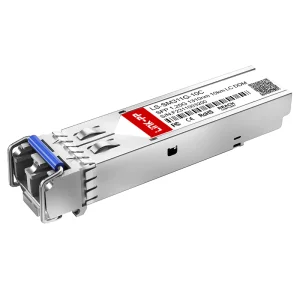
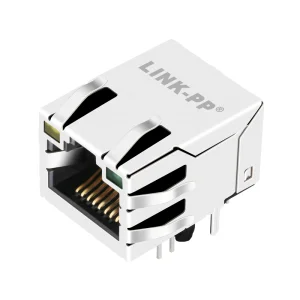
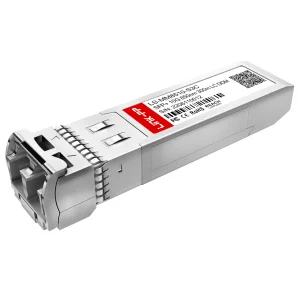
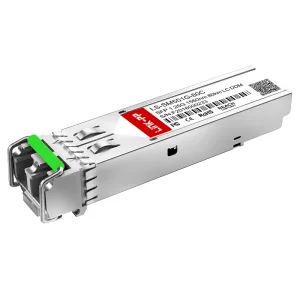
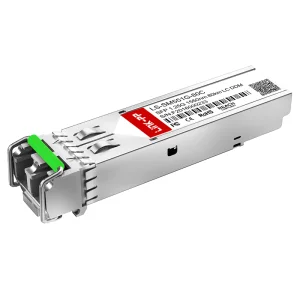
The industrial landscape is governed by two main architectures: HDBaseT copper configurations and optical transceivers. SFP transceivers (such as 1G, 10G, and 2.5G modules) play a central role, allowing HDMI signals to travel over single-mode (SMF) and multi-mode (MMF) fiber links up to 80 kilometers. Enterprise procurement teams prioritize **CE Certification** as a baseline guarantee that these extenders meet stringent European health, safety, and electromagnetic compatibility requirements, preventing interference in dense server environments.

Key Takeaway for System Integrators:

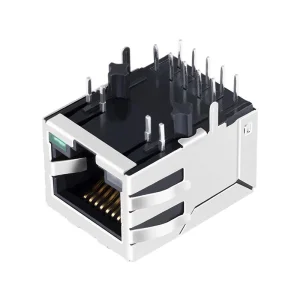
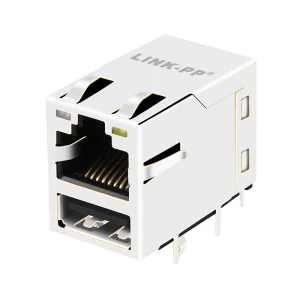
Choosing CE-certified extenders featuring high-performance RJ45 connectors with integrated magnetics or enterprise-grade SFP transceiver cages ensures long-term operational uptime and minimal packet drop in demanding environments.


Global AV Distribution Control Room Setup
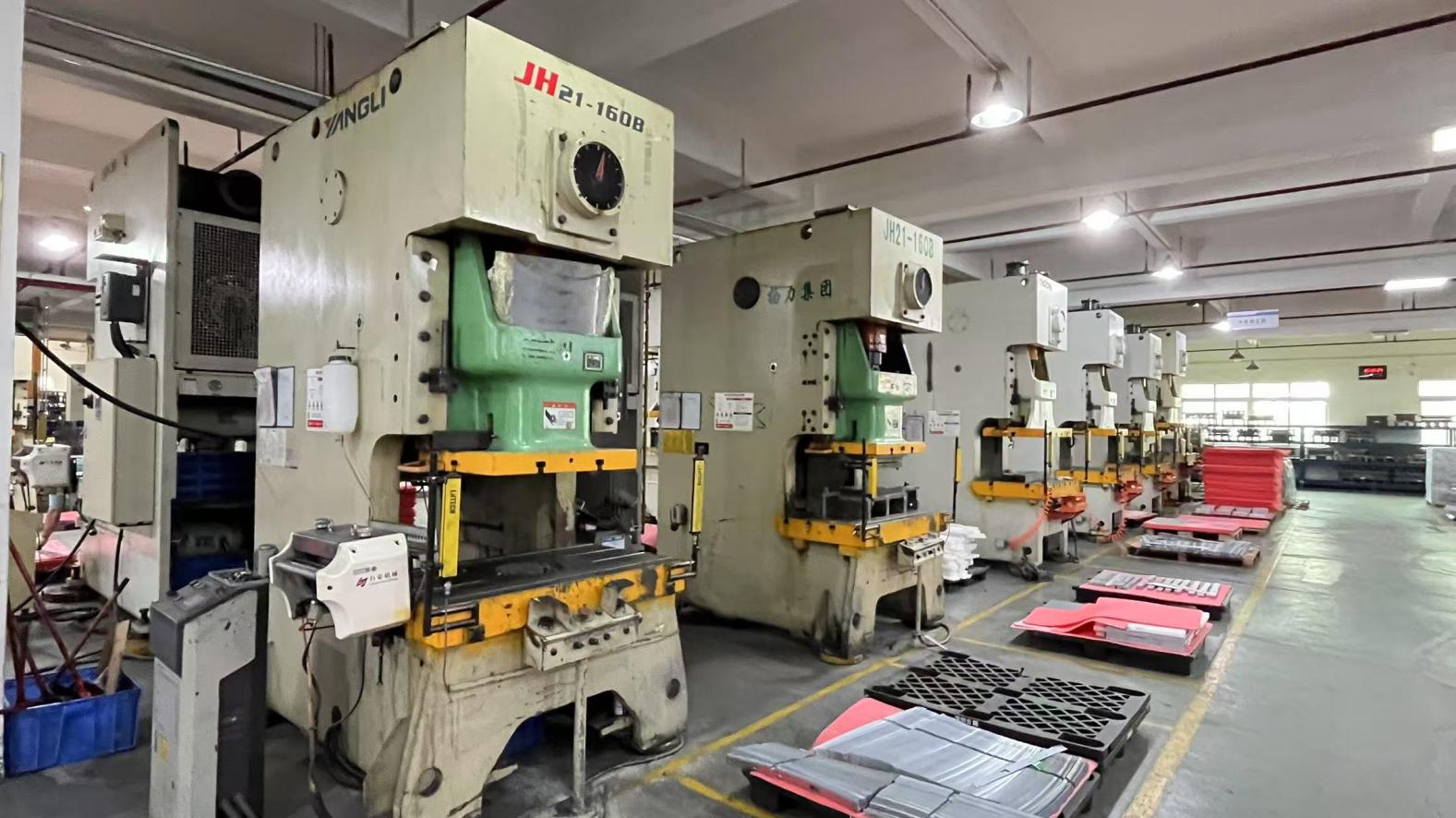
Automated Electronics Production Facility China

2. Sourcing from China: Manufacturing Efficiency & R&D Prowess

China remains the center of global telecom and AV distribution hardware manufacturing. At Novafiber Communications Co., Ltd., we combine strategic regional supply chain density with advanced assembly automation to provide major cost and lead-time advantages for global buyers.

  • Optimized Supply Chain Ecosystem: With over 1,200 verified supply chain partners, we secure high-grade raw components, from Tyco-compatible modular RJ45 jacks to precise laser diodes for SFP transceivers, ensuring stable manufacturing.
  • Substantial R&D Capacity: Backed by 180 experienced engineers, we introduced 320 new product models in the past year, enabling rapid prototyping for customized OEM/ODM customer demands.
  • Strict Quality Controls: Our quality assurance process features 65 dedicated inspection specialists executing automated optical testing, Environmental Stress Screening (ESS), and high-temperature aging tests, resulting in low field failure rates.

3. Localized Industrial Applications & Deployment Scenarios

How global enterprises deploy CE-certified HDMI extension systems across various industrial verticals.

Enterprise Data Centers

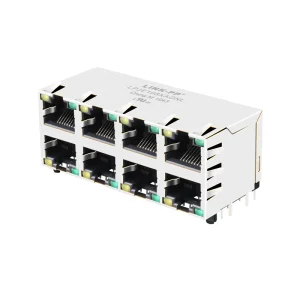
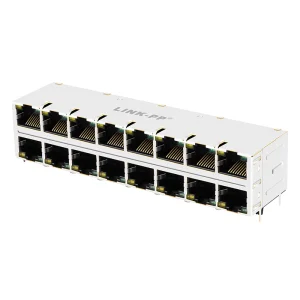
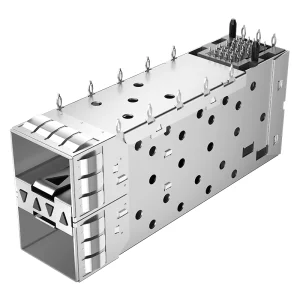
Integrating high-density EMI-shielded SFP+ cages and multi-port RJ45 connectors allows IT administrators to route KVM console signals over IP loops, protecting core server networks from interference and cross-talk.

Command & Control Centers

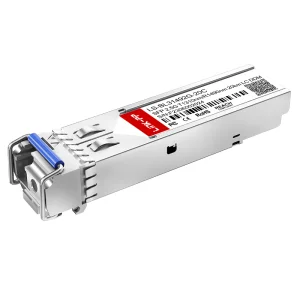
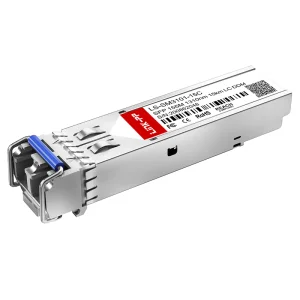
For municipal emergency management, oil & gas utility monitoring, and smart city centers, HDMI extenders use single-mode 10G SFP modules to deliver 4K video feeds up to 10km away with zero latency.

Medical Imaging & Broadcast

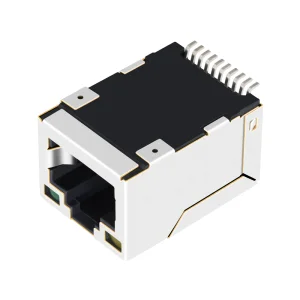
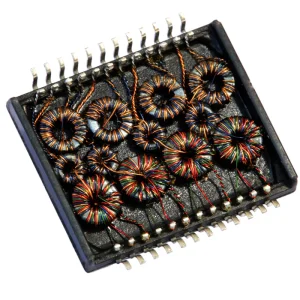
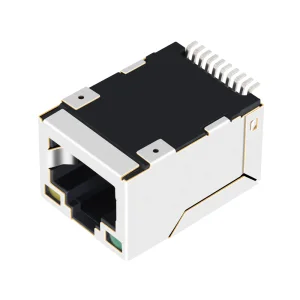
Operating rooms and television broadcast vans rely on high-grade SMT modular jacks with integrated magnetics to isolate electrical noise, keeping ultra-high-definition video feeds clear of distortion.

4. Key Industry Trends in Long-Distance Signal Routing

The AV distribution market is shifting rapidly from point-to-point HDMI extenders to complex, software-defined AV-over-IP networks. Modern architectures utilize existing ethernet infrastructures to route high-definition audio and video dynamic nodes.

Key technological advancements include:

  • Transition to 25G and 100G Form Factors: As demand moves from 4K to uncompressed 8K resolution, transceiver modules must support higher bandwidth with minimal compression.
  • Deployment of Bi-Directional (BiDi) Fiber Links: Using distinct wavelengths (e.g., 1310nm-TX/1490nm-RX) over single-strand fiber cuts cabling costs in half while keeping high throughput.
  • Enhanced EMI Mitigation: Densely packed control center racks need advanced shielding, pushing hardware builders to adopt press-fit, multi-port SFP cages and shielded RJ45 modules.
Advanced Fiber Optic Transceivers Network Assembly
Quality Inspection on Optical Communication Circuit Boards

5. Critical Procurement Standards for Enterprise Buyers

When selecting HDMI extender components and optical transceivers, global procurement teams must look beyond cost. To build resilient networks, keep the following priorities in mind:

  • Regulatory Compliance: Always verify authentic CE and RoHS certification documents. Compliance ensures ease of import and guarantees that the products meet stringent safety and operational requirements.
  • Signal Integrity Testing: Insist on manufacturing partners that perform 100% functional testing, burn-in testing, and high-temperature aging tests, which help prevent early component failure in the field.
  • Customization Capabilities: Partner with suppliers that offer ODM customization, including specialized optical wavelengths, unique firmware coding for switch compatibility, and modified mechanical layouts.

Frequently Asked Questions (FAQ)

Insights on technical specifications, regulatory standards, and sourcing for HDMI extenders and networking transceivers.

Why is CE certification critical for HDMI extenders and networking modules?
CE certification ensures the equipment complies with European standards for safety, health, and environmental protection. For high-speed AV routing devices, it guarantees adherence to Electromagnetic Compatibility (EMC) regulations, verifying the hardware does not emit harmful electromagnetic interference (EMI) or fail when subjected to normal electrical fields.
What is the difference between transmitting HDMI over RJ45 Ethernet and Fiber?
HDMI over Ethernet (Cat6/Cat7) is cost-effective and suitable for medium distances (up to 100 meters), making it perfect for office settings and school campuses. HDMI over Fiber utilizes optical transceivers (such as SFP modules) to transmit signals over kilometers with zero electromagnetic interference, making it the standard choice for long-distance industrial applications, utility grids, and campus backbones.
How do integrated magnetics in RJ45 modular jacks protect signal quality?
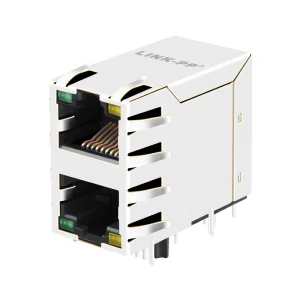
Integrated magnetics (often called MagJacks) incorporate transformers and common mode chokes inside the RJ45 housing. This design isolates the system, filters out high-frequency noise, protects components from electrostatic discharge (ESD), and maintains clean signal paths for reliable ethernet transmission.
Can Novafiber supply custom firmware for SFP optical transceivers?
Yes. We provide complete OEM/ODM customization services. We write and verify custom EEPROM compatibility codes to ensure our optical transceivers integrate smoothly with equipment from leading brands like Cisco, Juniper, HP, and Aruba.