How to Choose the Best 800G Optical Transceiver for Your Needs?

Time:2026-08-13 Author:Sienna
0%

Choosing the right 800G optical transceiver can be challenging. With the rapid advancements in data transmission technology, making an informed decision is crucial. As industry expert Dr. Alice Nguyen states, "Selecting the right transceiver is essential for maximizing network performance." Understanding your specific needs is the first step in this process.

When considering an 800G optical transceiver, one must evaluate various factors. These include data rate requirements, distance specifications, and connectivity options. Different applications may necessitate unique features. An inadequate choice can lead to suboptimal performance, resulting in increased latency or downtime.

Additionally, the market offers numerous brands and models. Researching their reliability and compatibility is vital. Experts recommend prioritizing well-reviewed and accredited products. Striking a balance between cost and quality often requires careful thought. Each decision should reflect your unique network demands while considering future scalability. The complexity of this process emphasizes the need for thorough investigation into 800G optical transceivers.
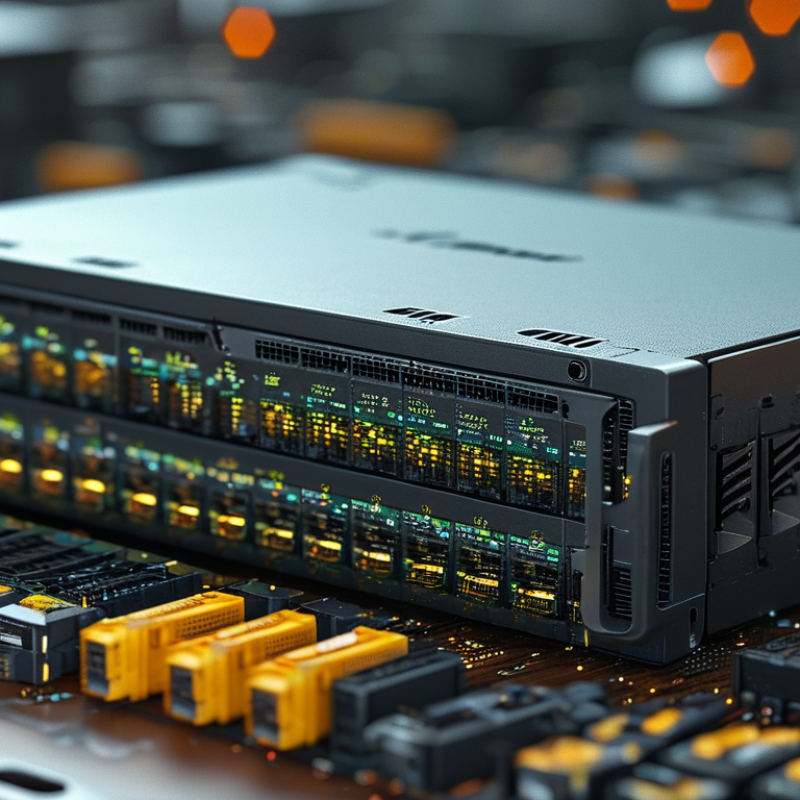
How to Choose the Best 800G Optical Transceiver for Your Needs?

Understanding the Basics of 800G Optical Transceivers

When selecting an 800G optical transceiver, understanding the basics is crucial. These devices are essential for high-speed data transmission. They enable faster communication over long distances. Knowing their components helps in making informed choices. 800G transceivers include laser diodes, photodetectors, and digital signal processors. Each plays a vital role in transmitting data efficiently.

Different factors impact the selection of an optical transceiver. For instance, transmission distance greatly affects performance. Standard distances range from a few meters to several kilometers. Additionally, consider the type of cabling used. Multimode and single-mode fibers have distinct characteristics. While multimode fibers are cheaper, they have distance limitations. On the other hand, single-mode fibers support longer distances but may require specialized equipment.

There's a need to evaluate compatibility with existing systems. Some transceivers may not align with current network infrastructure. Testing various models can prevent costly decisions later. Gathering data from real-world applications helps refine choices. It's essential to be aware that not all 800G transceivers meet the same standards. Mistakes in selection can lead to inefficiencies. Therefore, understanding the core elements and limitations of optical transceivers is an ongoing process.

Key Factors Influencing Your Selection of Optical Transceivers

When selecting an 800G optical transceiver, various factors come into play. This choice significantly impacts network performance and reliability. You need to consider compatibility with your current systems. Verify that the transceiver works well with existing network devices. Mismatched components can lead to poor performance.

Tips: Always ask technical support about compatibility. Their experience can prevent costly mistakes.

Bandwidth requirements are another crucial aspect. Different applications require different bandwidths. Evaluate your network needs before making a choice. The right transceiver must support the specific demands of your data transfer.

Tips: Use network performance metrics to guide your decision. It’s essential to match the transceiver with the data load.

Lastly, check the reliability and durability of the transceiver. Some may offer advanced features, but if they fail frequently, they aren't worth it. Opt for components known for excellent performance under various conditions.

Tips: Research user reviews. Actual experiences can reveal much about reliability.

Comparing Different Types of 800G Optical Transceivers

When it comes to 800G optical transceivers, understanding the different types available is crucial. There are several categories that serve various needs. For example, the coherent transceivers often offer enhanced performance over longer distances. According to a recent industry report, these can transmit data up to 100 kilometers while maintaining signal integrity.

Another type is the direct detection transceiver. These models are simpler and more cost-effective for shorter distances, typically under 10 kilometers. However, they may struggle with data rates over 800G in comparison. Recent analysis indicates a growing preference for coherent transceivers in data center applications, pushing their market usage to over 45% by 2025.

Optics are evolving, as are needs. The choice between 800G modes must consider the specific environment and use case. Compatibility with existing infrastructure is essential, yet often underestimated. Many organizations find themselves with limited upgrades. It's important to test options before a full rollout—some solutions may not integrate as seamlessly as expected. The market offers numerous choices, but one model doesn't fit all.

Evaluating Performance Specifications for Optimal Use

When choosing an 800G optical transceiver, performance specifications are crucial. Key factors include data rate, reach, and the type of modulation. An understanding of these specifications will help you select a transceiver that perfectly suits your application’s needs. Typically, the data rate should align with your network requirements.

Consider compatibility with existing infrastructure. This can significantly impact performance. You might face challenges if the new transceiver doesn’t match previous standards. The distance that data must travel is another vital factor. Short-reach transceivers differ from long-reach models, and mismatches can lead to signal degradation.

Sometimes, actual performance doesn't fit expectations. Testing in real-world scenarios is essential. This can reveal unexpected limitations. Additionally, don’t overlook the heat dissipation factor. Operating in extreme conditions can affect the lifespan and efficiency of the transceiver. Balancing all these elements helps achieve optimal functionality.

Budget Considerations When Choosing 800G Optical Transceivers

Choosing the right 800G optical transceiver is essential for optimizing network performance and cost efficiency. Budget considerations play a vital role in this decision-making process. The price of 800G transceivers can vary significantly, often ranging from $3,000 to $15,000. This range largely depends on factors such as technologies used, production scale, and vendor reputation. Understanding these variables is crucial for aligning your needs with your budget.

Industry reports indicate that the global market for optical transceivers is expected to grow at a CAGR of around 10% over the next five years. This growth is driven by increased data traffic demands. Investing wisely in your transceiver options can yield better long-term savings. For instance, compromising on quality might lead to higher maintenance costs down the line.

It’s also important to conduct thorough evaluations of available models. Many cheaper variants may not provide the required performance or reliability. A 2022 study revealed that 30% of organizations faced network issues after opting for low-cost transceivers. It’s a compelling reminder of the trade-offs involved. Balancing upfront costs against potential future expenses is key to making a sound investment decision.

Budget Considerations When Choosing 800G Optical Transceivers

Transceiver Type Data Rate (Gbps) Wavelength (nm) Max Distance (km) Approximate Price (USD)
SFP-DD 800 1310 10 500
QSFP-DD 800 850 100 700
OSFP 800 1330 40 600
CFP2 800 1550 80 850

FAQS

: What are 800G optical transceivers used for?

: They enable high-speed data transmission over long distances, improving communication efficiency.

How do transmission distances affect optical transceivers?

Different distances influence performance. Some transceivers excel over short ranges, while others are designed for longer distances.

What types of cabling are considered for 800G transceivers?

Multimode and single-mode fibers are used. Each has unique characteristics affecting performance and cost.

Why is compatibility important for optical transceivers?

Mismatched components can lead to poor network performance. Ensure the transceiver fits well with existing systems.

How do I assess my bandwidth requirements?

Evaluate your specific data transfer needs. Different applications require different bandwidths for optimal performance.

What should I consider about the reliability of transceivers?

Reliability is key. Even advanced features don’t matter if the transceiver fails frequently.

How can user reviews help with selection?

They provide insights into real-world performance and reliability. Actual experiences often highlight important aspects.

Is testing transceivers a good idea?

Yes, testing helps prevent costly missteps. It can refine your choices based on performance data.

What role do digital signal processors play in 800G transceivers?

They facilitate efficient data transmission, ensuring high-speed performance.

Can mistakes in selecting transceivers impact my network?

Yes, poor choices can lead to inefficiencies. Continuous learning about transceivers is essential.

Conclusion

Choosing the best 800G optical transceiver involves understanding several fundamental concepts and key factors that affect decision-making. It starts with a solid grasp of the basics of 800G optical transceivers, including their design and functionality. When selecting an optical transceiver, important considerations include the specific application's requirements, compatibility with existing systems, and the different types available.

Additionally, evaluating performance specifications is crucial for ensuring optimal use in your network infrastructure. Factors such as data rate, distance, power consumption, and form factor play a significant role in achieving your performance goals. Finally, budget considerations should not be overlooked, as they will influence the overall procurement process. By carefully analyzing these elements, you can make an informed choice that meets your needs for high-speed connectivity.

Sienna

Sienna

Sienna is a skilled marketing professional with a deep expertise in our company’s core products and services. With a passion for innovation and detail, she plays a pivotal role in crafting insightful blog posts that not only highlight the unique features of our offerings but also provide valuable......